
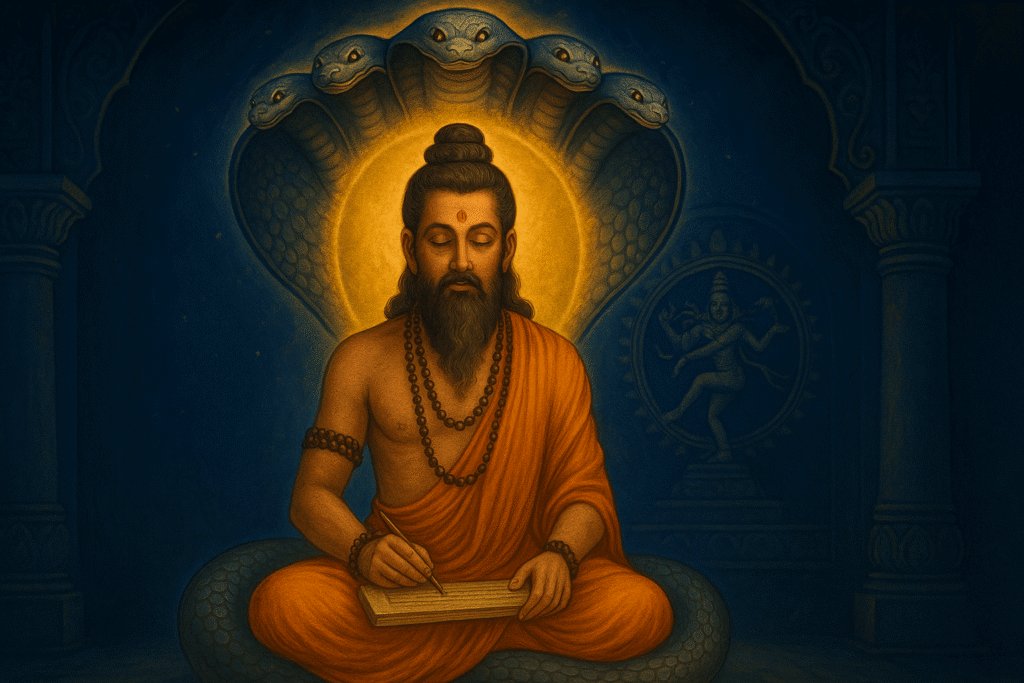
In Patanjali’s Yoga Sutras, the five Yamas—Ahimsa, Satya, Asteya, Brahmacharya, and Aparigraha—form the foundation of ethical discipline. When practiced universally across all contexts, time, and circumstances without exception, Maharshi Patanjali elevates them to the status of Mahavratas (Great Vows).
While conventional or non-theistic interpretations view these vows primarily as physical restrictions (what not to do), spiritual philosophy (Astika Darshana) transforms them into active, positive states of higher consciousness (what to cultivate).
| No. | Mahavrata | Non-Theistic Perspective (Prohibitive / External) | Astika Perspective (Spiritual / Positive Realization) |
|---|---|---|---|
| 1 | Ahimsa (Non-Violence) | Abstaining from killing, causing pain, or acting with cruelty. | Cultivating unconditional friendship, love, and universal brotherhood. |
| 2 | Satya (Truthfulness) | Refraining from telling lies or deceiving others. | Living with clarity, authenticity, and inner courage. |
| 3 | Asteya (Non-Stealing) | Not taking or stealing material possessions belonging to others. | Cultivating discernment of duty (Svadharma), ethics, and right intent. |
| 4 | Brahmacharya (Continence) | Restraining sensory indulgence and avoiding unlawful desires. | Absorbing consciousness in the Supreme; abiding in divine joy. |
| 5 | Aparigraha (Non-Possessiveness) | Avoiding the hoarding of physical goods, people, or thoughts. | Experiencing profound contentment and inner freedom. |
Deeper Analysis of the Five Great Vows
1. Ahimsa (Non-Violence)
- External View: Avoiding harm to living beings through body, speech, or mind.
- Spiritual Reality: True non-violence is not merely the absence of hatred; it is the presence of active goodwill and compassion. When hostility ceases in a practitioner’s presence, harmony naturally prevails.
2. Satya (Truthfulness)
- External View: Speaking strictly what is factually accurate without deceit.
- Spiritual Reality: Truthfulness is alignment between thought, word, and action. It grants the mental clarity and courage required to face reality as it is, without projection or illusion.
3. Asteya (Non-Stealing)
- External View: Refraining from taking physical objects without permission.
- Spiritual Reality: Asteya extends to respecting the time, ideas, and credit of others. It stems from recognizing one’s own duty (Svadharma) and realizing that true abundance cannot be acquired unethically.
4. Brahmacharya (Divine Conduct)
- External View: Practicing celibacy or strict restraint over physical desires.
- Spiritual Reality: Brahmacharya literally means “walking in the divine.” It is the conscious channeling of vital energy away from superficial sensory pursuits toward higher awareness and spiritual ecstasy.
5. Aparigraha (Non-Possessiveness)
- External View: Limiting material possessions to basic necessities.
- Spiritual Reality: Freedom from the urge to possess or control external objects, people, or rigid ideas. It yields an unshakeable state of inner contentment (Santosha) that is independent of external circumstances.
The Takeaway
While basic moral codes focus on restraint, the Mahavratas use ethical boundaries as a springboard for internal transformation. Restraint stops energy leakage, but spiritual alignment transforms that preserved energy into divine wisdom and absolute peace.

