
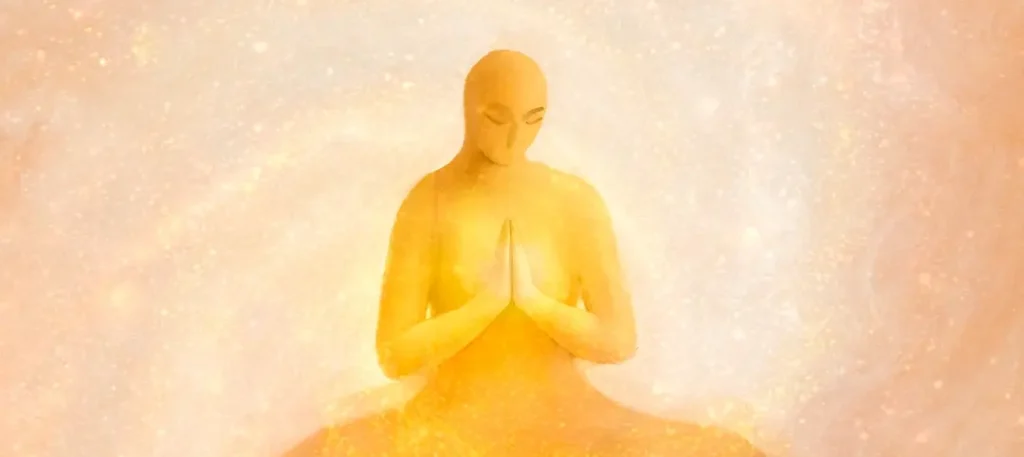
In Yoga Sutra 2.29, Maharshi Patanjali introduces Ashtanga Yoga—the eightfold path designed to systematically purify the body, mind, and energy to lead a practitioner toward complete self-realization (Samadhi).
“यमनियमासनप्राणायामप्रत्याहारधारणाध्यानसमाधयोऽष्टावङ्गानि”
“Yama, Niyama, Asana, Pranayama, Pratyahara, Dharana, Dhyana, and Samadhi are the eight limbs of Yoga.”
Here is a practical breakdown of how each limb serves as a stepping stone on the yogic journey:
1. Yama – Practical Lifestyle (व्यवहारिक जीवन की शैली)
Yamas are ethical disciplines governing how you interact with the external world and society. They ensure that your social conduct builds harmony rather than friction.
- Core Components: Ahimsa (non-violence), Satya (truthfulness), Asteya (non-stealing), Brahmacharya (right use of energy), and Aparigraha (non-possessiveness).
- Practical Essence: Cultivating a clean, ethical, and peaceful social footprint.
2. Niyama – Personal Lifestyle (व्यक्तिगत जीवन की शैली)
Niyamas are self-disciplines governing your internal environment, habits, and personal routine.
- Core Components: Shaucha (purity), Santosha (contentment), Tapas (disciplined effort), Svadhyaya (self-study), and Ishvarapranidhana (surrender).
- Practical Essence: Building strong personal character, mental clarity, and daily spiritual discipline.
3. Asana – Balancing Body Energies (शरीर से रज-तम हटा कर सत्व स्थिति लाने का अभ्यास)
Physical postures are not merely exercise; they are a tool to purify the physical structure.
- Practical Essence: Steady posture removes Rajas (hyperactivity/restlessness) and Tamas (lethargy/dullness) from the body, bringing it into a Sattvic state—steady, light, and relaxed (Sthira Sukham Asanam).
4. Pranayama – Circulation & Accumulation of Prana (प्राण ऊर्जा का संचार और संचय)
Breathwork is the bridge between the physical body and the subtle mind.
- Practical Essence: Controlling the breath allows you to balance, circulate, and store vital energy (Prana) throughout your nervous system, clearing energetic blockages.
5. Pratyahara – Mastery Over Sensory Distractions (इंद्रियों की भटकन को रोकने का सामर्थ्य)
The stage where sensory awareness shifts from external objects to internal reflection.
- Practical Essence: Gaining the capacity to withdraw your senses from worldly noise, turning your attention inward without getting pulled by external temptations.
6. Dharana – One-Pointed Focus (वृत्ति को एक विषय में रोकने का सामर्थ्य)
Dharana is the initial stage of mental concentration.
- Practical Essence: Training the intellect (Buddhi) and mind to bind its modifications (Vritti) to a single object, thought, or point of focus without wandering.
7. Dhyana – Centralization of Energy Through Meditation (चित्त की एकाग्रता से शक्ति का केंद्रीकरण)
When concentration (Dharana) flows continuously without interruption, it deepens into meditation (Dhyana).
- Practical Essence: Concentrating mental power into an uninterrupted flow of awareness, leading to a deep absorption of energy into the core of consciousness.
8. Samadhi – The Ultimate Experience of Yoga (योग का परम अनुभव)
The culmination of the eightfold path where the observer, the object of meditation, and the act of meditation merge into one.
- Practical Essence: The ultimate state of union, peace, and absolute liberation (Kaivalya), where consciousness abides in its true, pure nature.
The Takeaway
Ashtanga Yoga is a complete lifestyle architecture. It begins with your external relationships (Yama), refines your daily routine (Niyama), steadies your body (Asana), expands your energy (Pranayama), internalizes your focus (Pratyahara), trains your concentration (Dharana), deepens your awareness (Dhyana), and leads to supreme realization (Samadhi).

